facilities
Our facilities

We provide top-notch facilities for you

service-image

We offer advanced strategic marketing support to help you understand your audience, craft winning strategies, and achieve real business growth. Our team ensures every campaign aligns with your goals and delivers clear ROI.

service-image

Reach your audience with content that informs, inspires, and converts. From blogs and social posts to videos and ad copy, we create content that attracts, engages, and grows your brand.

service-image

We deliver innovative solutions that solve real problems, boost efficiency, and help your brand stay ahead in a fast-changing digital world.

services
what we offer

Explore Our Comprehensive Services

Brand Strategy & Creative Consulting
Position your brand with clarity and creativity to stand out in a crowded digital landscape. Read More
Website Design & CRM Development
Create modern, responsive, and conversion-friendly websites that reflect your brand and support your goals. Read More
Content Marketing
Deliver value through high-quality, impactful content that informs, attracts, and converts your audience. Read More
Social Media Marketing (SMM)
Build a strong online presence and engage your audience across platforms like Instagram, Facebook, LinkedIn, and more Read More
Search Engine Optimisation (SEO)
Boost your online visibility and rank higher on search engines with our result-oriented SEO strategies. Read More
Pay Per Click (PPC) Marketing
Drive instant traffic and conversions with data-backed Google Ads and paid media campaigns. Read More
What we do

Customised Solutions For All Industries

shape-image 1

B2B

We craft targeted digital marketing strategies that connect your business with the right partners, driving lead generation and long-term professional relationships.

shape-image 2

B2C

Our creative campaigns engage consumers directly, boosting brand awareness and sales by delivering personalized experiences that resonate with your audience.

shape-image 3

E-COMMERCE

From SEO to PPC and social media, we optimize your online store to increase traffic, improve conversions, and maximize your revenue.

shape-image 4

EDUCATION

We help educational institutions attract students and build their reputation through tailored content marketing, social media, and digital outreach.

shape-image 5

ENTERPRISE

Our scalable digital solutions empower large organizations to streamline marketing efforts, enhance brand visibility, and achieve measurable growth.

shape-image 6

STARTUPS

We provide agile, cost-effective marketing strategies designed to build your brand from the ground up and accelerate your market entry.

why choose us

Discover Why We're Your Ideal Partner

choose-icon

Comprehensive, Tailored Strategies

Our approach is never one-size-fits-all. We conduct thorough analysis and develop customized digital marketing strategies aligned with your unique business goals..

choose-icon

Full Suite of Digital Marketing Services

From SEO, social media marketing, and PPC advertising to content marketing, web development, branding, and influencer campaigns, we offer everything you need under one roof.

choose-icon

Expert Team With Latest Industry Knowledge

Our team of experienced professionals stays updated with the latest trends and technologies, ensuring your business benefits from cutting-edge strategies and tools.

choose-icon

Client-Centric Approach

Your business objectives are our top priority. We listen, adapt, and provide personalized service, building long-term partnerships based on trust and measurable success.

choose-icon

Affordable, Scalable Solutions

We offer cost-effective packages suitable for startups, SMEs, and large enterprises, ensuring you get maximum ROI regardless of your business size. 

choose-icon

Transparent Communication & Reporting

We keep you informed at every step with clear, regular updates and transparent reporting, so you always know the impact of your investment.

testimonial
testimonial

Our Works Define Our Success!

The analytics and reporting services from Clickthrown Digital Gallery have empowered us with valuable insights. The data-driven approach has allowed us to make informed decisions, optimize our marketing strategies, and measure the impact of our campaigns.

author-image
Sabu Thomas

Glen India Pvt Ltd

Working with Clickthrown Digital Gallery has been a game-changer for our online presence. Their SEO expertise skyrocketed our website to the top of search engine results, bringing in targeted traffic and boosting our conversions.

author-image
Jino Xavier

Managing Director, Coreminds

The analytics and reporting services from Clickthrown Digital Gallery have empowered us with valuable insights. The data-driven approach has allowed us to make informed decisions, optimize our marketing strategies, and measure the impact of our campaigns.

author-image
Sabu Thomas

Glen India Pvt Ltd

Working with Clickthrown Digital Gallery has been a game-changer for our online presence. Their SEO expertise skyrocketed our website to the top of search engine results, bringing in targeted traffic and boosting our conversions.

author-image
Jino Xavier

Managing Director, Coreminds

Workflow

Our Workflow Process!

0 1

Analysing

We begin by understanding your business, target audience, and goals. This helps us identify challenges and opportunities in your current digital presence.

0 2

Research

Next, we conduct in-depth research on your industry, competitors, and market trends to gather valuable insights that guide our strategy.

0 3

Planning

With data in hand, we develop a clear action plan tailored to your objectives, defining timelines, deliverables, and KPIs for success.

0 4

Designing

Our creative team brings ideas to life with compelling visuals, user-friendly layouts, and designs that reflect your brand identity.

0 5

Optimizing

We fine-tune every aspect—content, SEO, and performance—to ensure maximum visibility, engagement, and conversion.

0 6

Testing

Before going live, we run multiple tests to check functionality, responsiveness, and performance across all devices and platforms.

0 7

ROI

We deliver measurable results and detailed reports, showing the impact of our efforts and identifying opportunities for continuous improvement.

clients
clients

Trusted by leading Brands

Blogs & News

Explore Our Latest Blogs & Insights

The Ultimate Beginner’s Guide to Performance Marketing

In 2021, the amount spent globally on digital advertising reached a massive sum of $455.3 billion. According to Statista, this is expected to reach $646 Billion by 2024. As a result, new forms of online marketing are coming into existence with every passing day. Among these, some notable ones are social media advertising, affiliate marketing, email marketing, and performance marketing. 

In this blog, we will be taking a closer look at performance marketing, its core concepts, how it works, and why you should use it.

What is Performance Marketing?

Performance marketing is a digital marketing approach that focuses on measurable outcomes such as clicks, conversions, or sales rather than just brand awareness. It is data-driven and makes use of Key Performance Indicators (KPIs) for evaluating success. It involves tracking and analyzing various metrics such as conversion rates, click-through rates, and return on investment(ROI).

How Do You Measure Performance Marketing?

Performance marketing is driven by ROI since all actions can be tracked and measured against key performance indicators (KPIs). Be it the number of clicks, page views, or sales, these key metrics are important in measuring and improving performance. 

Below are some of the most commonly used metrics and KPIs for you to get a better understanding of performance marketing pricing.


Pay Per Sale (PPS) or Cost Per Acquisition (CPA)

This is the amount retailers or merchants pay when consumers complete a desired action, such as a sale, a click, or completing a form.

In e-commerce, this is a very common payment model for merchants to set up.
 

Pay Per Lead (PPL)

A “lead” can either be a completed form registration or signup involving customer information — such as a customer’s name, email address, or phone number — which can then be used by the merchant to follow up with the customer and drive sales.

Pay Per Click (PPC)

This is the price paid by a retailer to an affiliate for any ad clicks they refer to a desired landing page.

Pay Per X (PPX)

In this payment model, the “X” can be anything that the merchant defines as the desired action outside of a lead, click, or sale.

Downloads, upsells within apps, and rewards program sign-ups are some examples of these.

Lifetime Value (LTV)

The purpose of this metric is to estimate the "lifetime value" of a customer throughout their relationship with the retailer. Based on a customer's behavior and actions with the brand, LTV calculates how much the customer will spend.

Major Components of Performance Marketing

Well-defined Goals and Objectives 

  • There should be specific and measurable goals for marketing campaigns.
  • Objectives should be aligned with business targets to ensure a coordinated strategy.

Identifying the Target Audience 

  • Understand the target audience by conducting thorough research.
  • Create customer personas by using demographics, behaviors, and preferences.

Choosing the Right Channels

  • Social media advertising, search engine marketing(SEM), email marketing, and affiliating marketing are the popular channels.
  • Choose the channels that fit the preferences of your audience.

Analysis of Performance 

  • Regular analysis of data is required to identify trends, areas for improvement, and successful tactics.
  • Data analytics tools can be used to track campaign performance.

Budgeting and ROI Analysis

  • Monitor the performance of campaigns and budget accordingly.
  • Allocate budgets based on the ROI of different channels

Most Common Types of Performance Marketing

Performance marketing includes several different types of marketing. The following is a small overview of different types of performance marketing and how each can benefit your e-commerce business.

Affiliate Marketing

Any digital marketing strategy that is connected to the advertiser and pays out when the desired action is completed is known as affiliate marketing. This may include collaborating with discount, loyalty, review, and incentive websites, or working with an influencer, YouTuber, or blogger.

Native Advertising

Unlike display ads or banner ads, this type of paid media does not appear to be an advertisement.

Native ads tend to fit “natively” on the page/site they’re placed on — such as news or social sites and can be fed dynamically based on each user viewing the content.

The most common payment models for native advertising are CPM (pay per impression) and CPC (cost per click).

Sponsored Content

Sponsored content is a type of native advertising and content marketing in which a dedicated article or video is included on a website that distributes similar content. This way, the sponsored content blends in with the rest of the content while yet displaying some indicator that it is sponsored.

Compensation can take the form of a free product or experience, as well as a CPA-, CPM-, or CPC-based payout.


Social Media Marketing

This type of performance marketing utilizes social media networks to increase traffic and brand recognition, such as digital content displayed on Facebook, LinkedIn, or Instagram.

Merchants can reach potential customers by using a variety of ad types and targeting options while evaluating KPIs like engagement, clickthrough rate (CTR), CCP, and ROI.


Paid Search Marketing

Paid search marketing involves an advertiser paying for clicks to sponsored ads on search engines such as Google Ads, Bing, and Yahoo. Or, less commonly, an advertiser may pay each time their ad is displayed (CPM).

Search Engine Optimization (SEO)
The opposite of paid search marketing, organic search uses unpaid methods such as search engine optimization (SEO) and relies on the search engine’s algorithm to rank at the top.

What are Some Performance Marketing Tips to be Successful?

Having covered the basics, let's jump into our top tips for performance marketing success.

1. Focus on a good landing page and offer
 
In performance marketing, having a good landing page is crucial. If your landing page quality is low, it can deter visitors from converting, and a bad offer can prevent them from clicking through.

As an advertiser, make sure you have an appealing offer for your affiliates, and keep testing your site for any potential problems a visitor might run into. 

Evaluate the complete user experience, from the landing page to the shopping cart. Test links and offers regularly, and change any underperforming content and landing pages.

2. A/B test and optimize for revenue-driving KPIs

Testing and measuring are two essential steps for ensuring that a digital marketing strategy is working.

In the case of performance marketing, try different techniques and strategies for optimization of click-through rates, conversion rates, AOVs, and traffic by doing A/B testing to get a clear picture of what’s working and what’s not.

3. Choose your traffic sources carefully

Quality matters more than quantity. Therefore focus on making sure your traffic is coming from reputable sources. When untrustworthy sources are advertising you, consumers may think twice about trusting you as a brand.

So instead of generating lots of low-quality traffic, partner with affiliates that will drive meaningful traffic to your site.

4. Track and monitor as much as you can

Attribution, mobile vs. desktop, bounce rates, etc. are some factors that provide important campaign data points for you to get better insights into what’s working and what’s not. 

Tracking and monitoring your gains and losses is crucial in getting the most out of your performance marketing campaign.

Conclusion

Performance marketing holds great potential for business owners seeking to engage and convert new customers at a large scale and a reduced cost. There's always room to grow and improve, no matter where you and your brand are in the performance marketing space.

Learn which strategies are effective for you and how to satisfy the demands of your affiliates as well as your brand. As soon as you have determined your precise objectives, get started with building those connections.

Read More

Unlocking the Power of Digital Marketing

Quality content lies at the heart of every successful digital marketing strategy. Whether it's blog posts, videos, or infographics, valuable and relevant content not only attracts but also retains the attention of your audience. Develop a content strategy that aligns with your brand voice and speaks to the needs and interests of your target demographic.

One of the advantages of digital marketing is the wealth of data it provides. Dive into the analytics to gain insights into the performance of your campaigns. By leveraging data-driven decision-making, you can continuously refine and optimize your strategies for maximum impact.The digital landscape is in a constant state of flux, with new technologies and trends emerging regularly. Stay ahead of the curve by keeping abreast of the latest developments in the digital marketing sphere. From artificial intelligence and chatbots to immersive technologies, explore how these trends can be integrated into your marketing arsenal.

Develop a content strategy that aligns with your brand voice and speaks to the needs and interests of your target demographic.By leveraging data-driven decision-making, you can continuously refine and optimize your strategies for maximum impact.By understanding the intricacies of the digital landscape and adopting a comprehensive strategy, your business can unlock the full potential of digital marketing to reach, engage, and convert your target audience. As the digital realm continues to evolve, a proactive and adaptive approach will ensure that your business remains at the forefront of the digital marketing revolution.

Read More

Key Strategies for Digital Marketing Success

In today’s fast-paced digital world, having a strong online presence is essential for business success. Digital marketing offers powerful tools to connect with your target audience, build brand awareness, and drive conversions. However, to truly stand out in a crowded market, businesses need to adopt effective strategies that not only capture attention but also foster long-term customer loyalty. Let's take a look at the key strategies that businesses can implement to achieve long-term success in digital marketing.

1.  SEOSearch engine optimization

Search engine optimization (SEO) is the cornerstone of any successful digital marketing campaign. By optimizing your website content and structure, you can increase your visibility on search engines like Google. Higher visibility translates to more organic traffic, which means more potential customers discovering your brand. A comprehensive SEO strategy involves keyword research, on-page optimization, backlink building, and ensuring your website is mobile-friendly. Investing in SEO ensures that your website remains discoverable to those who need your services most.

2. Pay-Per-Click (PPC):

While SEO builds long-term growth, Pay Per Click (PPC) advertising provides a quick boost to your brand’s visibility. With PPC campaigns, you can target specific keywords, demographics, and locations to ensure your ads are reaching the right audience. PPC also allows for detailed tracking, so you can see what’s working and continuously refine your campaigns for better results. It’s a great way to get immediate traffic while working on your SEO strategy.

3. Social Media Marketing (SMM)

Social media platforms like Facebook, Instagram, LinkedIn, and Twitter provide an excellent opportunity to connect with your audience in real time. Consistent social media marketing builds relationships, encourages customer interaction, and helps humanize your brand. Sharing valuable content, responding to customer queries, and running ads on social media platforms ensures that your business stays top-of-mind. Whether you’re running promotions, posting updates, or simply engaging with customers, social media is a vital part of your digital marketing strategy.

4. Content Marketing

Content is king, and for good reason. Effective content marketing allows you to provide value to your audience while showcasing your expertise. Blog posts, videos, infographics, case studies, and white papers all serve to inform, engage, and convert potential customers. By creating high-quality content that resonates with your target audience, you build trust and credibility, which leads to higher conversion rates and a stronger relationship with your customers.

5. Analytics and Data-Driven Decisions

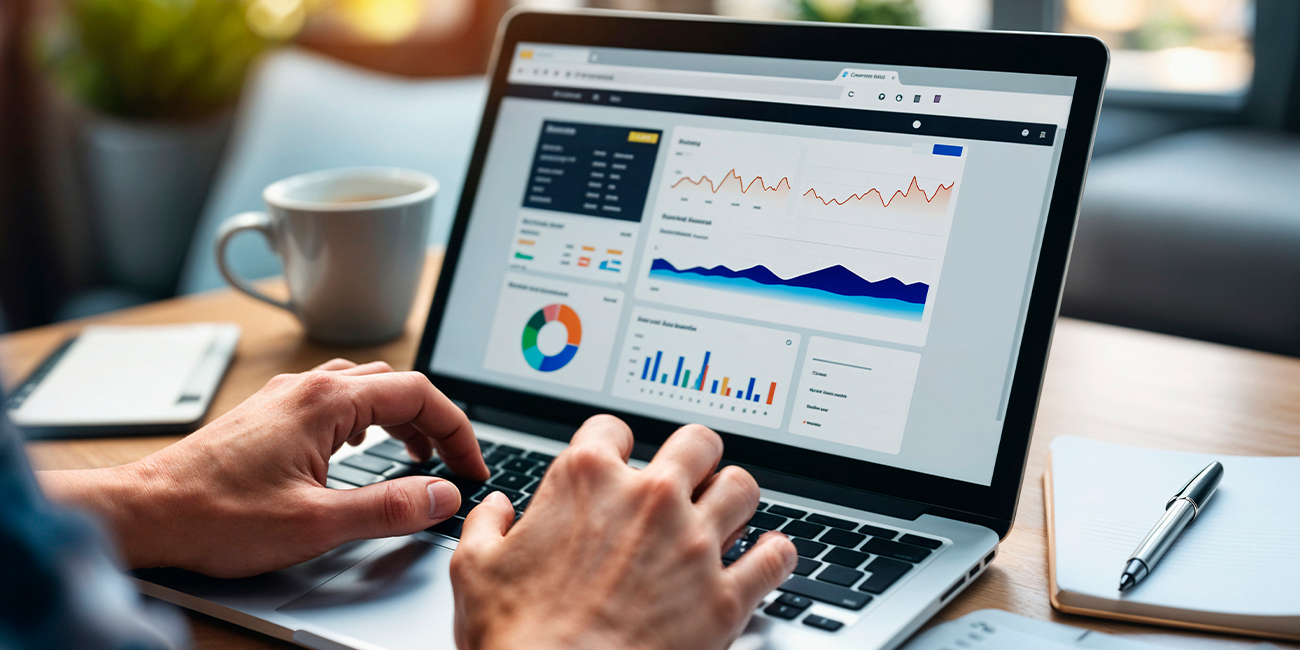
One of the key advantages of digital marketing is the wealth of data it provides. Analytics tools track everything from website traffic to customer behavior, allowing you to make informed decisions. By analyzing campaign performance, you can understand what works and what doesn’t. This data-driven approach ensures you’re constantly refining your strategies for the best possible outcomes. At Clickthrown Digital Gallery, we use analytics to guide our decisions and optimize our clients’ campaigns for maximum impact.

6. Email Marketing

Email marketing remains one of the most effective tools for driving conversions. Through personalized email campaigns, you can nurture leads, deliver valuable content, and promote products or services directly to your audience. Whether it’s through newsletters, promotional emails, or automated drip campaigns, email marketing allows you to stay connected with your audience and increase engagement.

Conclusion

To succeed in today’s competitive market, businesses need a well-rounded digital marketing strategy that incorporates SEO, PPC, content marketing, social media, and data analytics. By understanding your audience and continuously optimizing your approach, you can stay ahead of trends, drive more traffic, and convert that traffic into loyal customers. At Clickthrown Digital Gallery, we specialize in crafting customized digital marketing strategies designed to help you grow and thrive in the digital space. Let us help you unlock the full potential of your online presence!

Read More

What Every Marketer Should Know About ShellGPT, ChatGPT, WormGPT, and FraudGPT

Digital Marketing is developing more quickly than ever in the AI-driven world of today. AI tools like ChatGPT and ShellGPT are becoming indispensable for performance marketers, helping them with anything from writing effective ad copy to automating backend processes. Although these technologies increase efficiency and return on investment, some, like FraudGPT and WormGPT, are being used maliciously and represent serious risks to campaigns and brand security.

Let's examine what these AI models do, how they benefit, and what marketers should be aware of.

What is ChatGPT?

OpenAI created ChatGPT, an advanced AI language model that can comprehend and produce writing that sounds human. It's a revolutionary tool for marketers that speeds up campaign operations, improves consumer interaction, and simplifies content development. ChatGPT helps you operate more efficiently, creatively, and ethically while producing results that are safe for your brand, whether you're writing ad text, creating chatbot scripts, or optimizing SEO content.

How ChatGPT is Used by Marketers

  • Ad Copy Creation: Create compelling, platform-specific ad copy for Google, Meta, LinkedIn, and other platforms.
  • Email Campaigns: Create subject lines, email flows, and calls to action (CTAs) for email campaigns that increase open and click-through rates.
  • SEO Optimization: To increase organic traffic, create blogs, meta descriptions, and page names that are packed with keywords.
  • Chatbot Scripts: Use intelligent, automated responses to improve customer service and lead conversion.

Why ChatGPT Is Safe

ChatGPT features built-in safety filters to prevent abuse, allowing you to concentrate on performance and creativity without going against moral principles.

What is ShellGPT?

Natural language is translated into shell commands by ShellGPT, an AI-powered command-line assistant. It enables developers and tech-savvy marketers to manage server-side operations, automate backend tasks, and simplify deployments without requiring them to commit complicated code to memory.

What ShellGPT Does:

  • Creates command-line instructions from plain English
  • Automates code operations, deployments, and server-side processes.
  • Accelerates script management and data handling

ShellGPT, for instance, makes it easier and faster to deliver website upgrades for a high-traffic campaign, manage logs, and erase cache without requiring you to commit instructions to memory.

What is WormGPT?

WormGPT is an unethical AI model designed for cybercriminal activities. Unlike ChatGPT or ShellGPT, WormGPT has no content moderation, making it a preferred tool for generating phishing emails, malicious scripts, and social engineering attacks. It’s often sold on dark web forums as an “uncensored” alternative to ChatGPT.

Risks WormGPT Poses to Marketers:

  • Phishing Attacks: WormGPT can be used by hackers to create incredibly realistic spoof emails or landing pages that imitate your company and target your clients.
  • Malicious Code: It can create scripts that steal user information, interfere with campaign tracking, or infect your website.
  • Brand Impersonation: Attackers may mimic your marketing assets, damaging brand trust and credibility.

What is FraudGPT?

Another dark-web AI technology designed especially for fraudulent activities is called FraudGPT. It is promoted to con artists who want to fabricate identities, replicate company profiles, or use non-human visitors to falsify ad stats.

Digital Marketing Risks Associated with Fraud GPT:

  • Ad Fraud: With no genuine involvement, FraudGPT can help create click farms, bots, and phony leads that eat up your ad spend.
  • Identity Theft & Scams: To fool people into divulging personal information, scammers may mimic your brand's messaging.
  • False Metrics: Your campaign statistics may be skewed and resources wasted if you observe an increase in clicks or leads that do not convert.

Conclusion

Use AI to develop, but stay alert. When used properly, artificial intelligence (AI) can be a very useful tool in your marketing toolbox. Use ChatGPT and ShellGPT to improve your performance, workflow, and content. Steer clear of or report tools like WormGPT and FraudGPT that are intended to exploit, defraud, or deceive.
 

Read More

E-E-A-T x AI: How Authenticity and Human Experience Will Win Google Rankings in 2025

Google frequently updates its algorithm. Some changes are subtle, while others can impact your website’s visibility. The June 2025 Core Algorithm Update is one of the more impactful ones, especially for content-driven sites.

Well, What’s New in the June 2025 Update? This update reinforces Google’s long-standing focus on E-E-A-T (Experience, Expertise, Authoritativeness, and Trustworthiness). It brings stricter penalties for low-quality content, particularly that generated by AI without proper editing or refinement.

In short:

  • Low-quality AI content is being de-ranked.
  • Outdated and thin content is losing visibility.
  • Sites with a poor user experience or subpar mobile performance are at risk.

If your website relies heavily on unrefined AI-generated content, you may already be seeing a drop in rankings. The days of pumping out mass content with little value are quickly fading. Google is rewarding well-written, human-reviewed, and genuinely helpful content that demonstrates real-world experience and expertise. If you haven’t yet adopted E-E-A-T principles in your content strategy, it’s time to start or risk falling behind.

Let’s take a look at how E-E-A-T and AI combine to affect Google rankings in 2025.

What is E-E-A-T?

E-E-A-T isn’t new, but it’s more important than ever. E-E-A-T stands for experience, expertise, authoritativeness, and trust. It is a set of quality guidelines that Google’s search engines use to assess content. This is particularly important for topics that can impact a person’s well-being, such as health, finance, and safety. E-E-A-T ensures that search results prioritize trustworthy and useful information in creating content for these YMYL (Your Money, Your Life).

  • Experience: Has the creator personally encountered the topic?
  • Expertise: Does the creator know what they’re talking about?
  • Authoritativeness: Is the creator or site recognized as a go-to source?
  • Trustworthiness: Can the content and its source be relied upon?

In 2025, Google wants to ensure that users get accurate, relevant, and trustworthy information from real experts. As a result, if you are a content writer or an SEO professional, now is the time to:

  • Audit your existing content
  • Remove or update outdated posts
  • Refine AI-written content with a human touch
  • Prioritize mobile responsiveness and user experience

Is AI Content Enough to Rank in Google in 2025?

A Big NO to Purely AI-Generated Content!

Let’s be clear, simply publishing AI-generated content is no longer enough to rank on Google.

With tools like ChatGPT, Jasper, and others becoming widely accessible, anyone can spin up a blog post in minutes. Google knows this, and its June 2025 Core Update is cracking down hard on generic, low-quality AI content. If you're just copying and pasting AI drafts without refinement, don’t expect to see results.

Today, AI can be used to generate perfectly structured blog posts, product descriptions, and SEO-rich pages. However, what it can’t do is live a human experience, travel to Egypt, survive a car crash, raise a child with autism, or run a bakery through a recession. Google has caught on.

Sites that rely solely on generic or obviously AI-written content are seeing declining visibility. Those that embed personal stories, original insight, and firsthand evidence are rising in the ranks. 

However, if you’re using AI strategically, as a foundation, not a final product, you’re still in the game. When AI-generated content is edited for clarity, infused with real expertise, and aligned with E‑E‑A‑T (Experience, Expertise, Authoritativeness, Trustworthiness) principles, it can still rank and, of course, rank well!

So, What Should You Do?

  • Review and refine every AI draft
  • Add personal insights and real-world examples
  • Fact-check and cite credible sources
  • Demonstrate genuine experience and authority
  • Align with search intent and user value

Remember, if your content doesn’t feel real, useful, or trustworthy to users, Google won’t trust it either.

How to Win Google Rankings with Authenticity and Human Experience in 2025

1. Prioritize Firsthand Experience

  • Add real quotes, photos, and anecdotes.
  • Showcase your personal journey or case study.
  • Personalise your content. That is, use “I” or “we” when appropriate to humanize content.

2. Feature Verified Experts

  • Bio sections matter more than ever.
  • Include credentials, affiliations, and links to reputable sources.
  • Consider bylines with expert reviews or contributions.

3. Build Author Profiles and Reputation

  • Google evaluates who is writing.
  • Maintain consistent author profiles across platforms.
  • Earn mentions and backlinks from authoritative sites.

4. Human-AI Collaboration Greater Valued Than AI Content Alone

  • Use AI to assist, not replace.
  • Let AI help with structure, keyword strategy, and ideation. but inject your lived expertise and unique voice.
  • Tools like ChatGPT can support human-led content creation without erasing authenticity.

5. Add Trust Signals

  • Secure your site (HTTPS), update frequently, and avoid spammy practices.
  • Include reviews, testimonials, and original data.
  • Cite sources, add disclaimers when needed, and be transparent about AI usage.

Key Takeaways for Brands and Creators

  • Google favors content from real people with expertise, so brands should highlight expert contributors, and creators should showcase their credibility through personal stories.
  • Penalties apply for generic AI-generated content. Brands must refine AI blogs with human input, using AI as a tool rather than a content generator.
  • Core Web Vitals, including page speed and mobile responsiveness, heavily influence rankings. Fast-loading, mobile-friendly websites are essential.
  • Outdated or irrelevant content may be deindexed. Regular content audits are necessary to update or remove outdated pieces.
  • Google favors original ideas and in-depth insights. Brands and creators providing unique perspectives will see the most benefit.
     
Read More

Google Workspace Introduces Google Vids: The New AI-Powered Video Creation Tool

Google Workspace just got even smarter! In an exciting update, Google has added a brand-new app to its productivity suite: Google Vids. Positioned alongside your favorite tools like Docs, Sheets, Slides, and Meet, Google Vids is designed to make video creation as easy as writing a document or building a slide deck.

What is Google Vids?

Google Vids is an AI-driven video creation and collaboration tool seamlessly integrated into Google Workspace. With Vids, users can easily create professional-looking videos for work presentations, training, marketing, or internal communications — no video editing expertise required!

The tool helps users plan, draft, and produce videos with the help of AI. From writing scripts to generating storyboards and adding voiceovers, Vids makes the entire process collaborative and intuitive, just like working on Docs or Slides with your team.

Key Features of Google Vids

  •  AI-Powered Scripts — Write scripts faster with AI suggestions.
  •  Storyboard Builder — Easily arrange scenes and visuals.
  •  Voiceovers and Narration — Add audio without needing to record manually.
  •  Seamless Collaboration — Share and co-create videos just like Google Docs.
  •  Integrated with Google Drive — Store and manage video files securely.

Who Can Benefit?

Google Vids is perfect for:

  • Marketing teams creating promotional videos.
  • HR teams designing training content.
  • Sales teams building product demos.
  • Educators developing engaging lessons.
  • Any professional who wants to communicate ideas visually.


Where to Find It

Google Vids is conveniently accessible right from your Google Workspace app launcher. Look for the purple play icon labeled Vids — it’s now as accessible as Docs, Sheets, and Slides!

Final Thoughts

With Google Vids, video creation becomes a core part of the Google Workspace ecosystem. It’s a game-changer for organizations that want to tell their stories through video but don’t have the time or resources for complex editing software.

This update demonstrates how Google continues to integrate AI into everyday work, empowering teams to create smarter, faster, and more collaborative solutions.
 

Read More

Why Your PPC Structure Should Mirror Your Business Model


In the dynamic world of Pay-Per-Click (PPC) advertising, structuring your campaigns effectively is essential for maximising Return on Investment (ROI). A well-organised PPC structure can help you reach your target audience more efficiently, improve your ad relevance, and ultimately drive more conversions. A key element of PPC campaign strategy is mirroring your business model. In this article, we will explain why it is important to mirror your business model in your PPC structure, as well as provide practical tips on how to do it effectively.

Understanding PPC Structure

Before diving into the importance of mirroring your business model, it’s essential to understand the basics of PPC structure. A typical PPC account structure includes:

  • Account: The highest level of your PPC structure, which includes all your campaigns.
  • Campaigns: These are groups of ad groups that share a common goal or target audience.
  • Ad Groups: These are subsets of campaigns that contain keywords, ads, and bids.
  • Keywords: These are the words or phrases that trigger your ads to show when users search for them.
  • Ads: These are the actual advertisements that users see when searching for your keywords.

The Benefits of Mirroring Your Business Model

Mirroring your business model in your PPC structure offers several benefits, the key benefits  including:

Improved Ad Relevance

By mirroring your organizational structure in your PPC setup, you're able to create highly relevant and targeted ads. When campaigns and ad groups mirror your product categories, services, or customer segments. By that you can create ad copy that directly meets your audience’s needs and search intent. This precision ensures that users encounter ads that are incredibly pertinent to their queries, increasing the likelihood of engagement and clicks. For example, if you sell both running shoes and hiking boots, having set up ad groups for each product allows you to develop specific ads. For each that encompass their specific benefits compared to a generic footwear ad.

Better Budget Allocation

Aligning your PPC structure with your business model provides a clearer framework for optimising your advertising budget. By breaking your campaigns and ad groups according to your business's core offerings, you gain granular insight into the performance of each area. This makes you to strategically allocate your budget, directing more funds towards high-performing products or services that yield the best return on investment. For example, if "premium consulting services" generate higher-value leads than "basic support packages," you can readjust your budget to prioritise the more profitable segment, maximising ad spend efficiency.

Enhanced Tracking and Reporting

A PPC structure that mirrors your business model significantly simplifies the process of tracking performance and generating insightful reports. When your campaigns and ad groups match your business's organization, you will find it easier to track metrics for specific product lines, services, or types of customers. By focusing on your business model rather than broad segments, you can quickly spot trends, identify improvements, and make smarter, data-driven decisions. You are no longer trying to analyze partially related data. You can go directly to information and performance reports for the specific parts of the business where you need to make tactical decisions. This clear association can make it easier to make quick changes for optimization. 

Best Practices for Structuring Your PPC Campaigns

To optimise your PPC structure,  you can use these PPC structure best practices:

  • Keep it Simple: Avoid overly complex structures that are difficult to manage.
  • Use Relevant Keywords: Ensure keywords are relevant to the ad group theme and business objective.
  • Monitor Performance: Regularly review campaign performance and make data-driven decisions.
  • Test and Optimize: Continuously test and optimize ad copy, bidding strategies, and targeting.

How to Structure Your PPC Campaigns 

When structuring your PPC campaigns, consider the following steps to optimise performance and drive better results for your business growth.  

1.Mirror Your Business Unit or P&L

  • Organise by Business Units or Profit and Loss Statements: Structure your campaigns to reflect your company's business units or profit and loss (P&L) statements. This approach helps align your advertising efforts directly with your business's financial and organizational structure. For example, a jewellery brand might define its account level by choosing the lab-grown diamond category when signing up for Google paid search.
  • Create Separate Campaigns for Different Offerings: If your business offers diverse products or services, create a distinct campaign for each. This allows for better targeting and budget allocation tailored to each specific offering. For instance, a campaign could be set up for lab-grown jewellery.
  • Separate Brand and Non-Brand Keywords: It is crucial to have separate search campaigns for brand-related keywords and non-brand keywords because they will perform differently and require distinct budget and management strategies. You should also add your brand keywords as negative keywords in your non-brand campaigns to avoid unintended traffic.

2.Segment by Funnel Stage or Intent

  • Align Campaigns with the Buyer's Journey: Structure your campaigns based on where users are in the sales funnel—awareness, consideration, or conversion. This allows you to tailor your messaging and targeting to match their intent. Targeting every step of the funnel is generally a better strategy as it informs potential customers about your existence without immediately pushing for a sale.
  • Target Based on Search Intent: The key to success with audience targeting is to focus on intent rather than just keywords. Different keywords reflect different levels of intent (e.g., informational, navigational, transactional). For example, if your goal is brand awareness, social media and display ads are ideal, whereas search or product listing ads are best for driving sales.
  • Use Diverse Ad Types and Platforms: Sophisticated PPC strategies utilize a combination of ad types and platforms to reach their audience at various funnel stages. After determining your main goals and prioritizing them, use this information to decide which platforms and ad types to invest in.

3.Use Ad Groups or Asset Groups

  • Create Themed Ad Groups: Within each campaign, create multiple ad groups, each focused on a specific theme or set of related keywords and ads. This will ensures that ads are highly relevant to the keywords that trigger them. Aim for 2-3 ads per ad group.
  • Implement Detailed Keyword Strategies: For each ad group, perform thorough keyword research to select relevant terms. Use a mix of broad, phrase, and exact match types to balance reach and precision. Consider using about 15-20 keywords per ad group to provide enough terms for testing.
  • Utilize Negative Keywords: Systematically add negative keywords to prevent your ads from showing for irrelevant searches. This will helps to avoid wasted budget and internal competition. This discipline signals to platforms like Amazon that your ad spending is intentional.
  • Optimize Landing Pages for Each Ad Group: Make sure each ad group takes traffic to an appropriate and optimised landing page that matches some original search intent or audience demographic interest. Sending users to generic product pages or homepages can have a negative impact on Quality Scores, and can increase ad spend unnecessarily.
  • Craft Compelling Ad Copy: Create original, compelling ad copy for every ad group that briefly expresses your unique selling proposition (USP) and offers value. Test different headlines, descriptions, CTAs, images, and extensions in order to enhance performance.

Tips for Google PPC Advertising

To gain the most out of Google PPC advertising, consider the following tips:

  • Use Relevant Ad Extensions: Utilise ad extensions like site links, callouts, and call extensions to enhance ad visibility.
  • Optimise Landing Pages: Ensure landing pages are relevant, fast, and provide a seamless user experience.
  • Monitor and Optimize: Regularly review campaign performance and make data-driven decisions.

All Together

Mirroring your business model in your PPC campaign strategy is essential for enhancing ROI and driving conversions. By understanding PPC structure, following best practices, and leveraging Google PPC advertising features, you can create effective campaigns that resonate with your target audience.

At Clickthrown, we specialise in helping businesses optimise their PPC campaigns and drive more conversions. With us, you can also start maximising your ROI and achieving your business goals. Let's work together to take your business to the next level to discover the power of effective PPC advertising!
 

Read More

How to Use Google Ads Performance Max Channel Reporting

Ever feel like your Performance Max campaigns are delivering results, but it’s unclear which parts of Google’s network are doing the work? Well, get ready to flash the light on that hidden mystery! Google has listened to your calls for more clarity, and the answer is here: Performance Max Channel Reporting.
This isn't just another report; it's a game-changer for understanding how your ads truly perform across the Google ad channels, such as Search, YouTube, Display, Gmail, Discover, and Maps. Join us to explore together how to access, interpret, and leverage these powerful new insights to make ideal, more strategic decisions for your campaigns.

What is Google Ads Performance Max Channel Reporting?

Google Ads Performance Max Channel Reporting is a dedicated feature designed to unwrap the cover on how your Performance Max campaigns are driving results across Google's diverse channels. Performance Max is an aim-based campaign type that uses Google AI and Smart Bidding to find your highest-value customers from all of Google's inventory. Earlier, advertisers couldn’t see which channels were driving most of their conversions.
This new reporting addresses that gap, providing detailed metrics like impressions, clicks, conversions, conversion value, and cost, broken down by individual channel.  You can consider it a clear roadmap that shows the journey your customers take and where Google Performance Max ads show their biggest impact.

How to Access and Navigate Your Channel Reports

Accessing these key insights is easy. Here’s a quick guide to find your way to reach:

  1. Log in to your Google Ads account.
  2. In the left-hand navigation menu, click on "Campaigns."
  3. Then, select "Insights & Reports."
  4. Finally, click on "Channel Performance."

Once you're in, you'll explore information presented in three key components: a Google Performance Max summary overview, a channel-to-goals visualisation, and a customizable channel distribution table. There's also a helpful status column and diagnostics feature to clear any issues. Each element is designed to give you a clearer picture of your campaign's growth and performance on different channels.

How to Understand Your Channel Insights: Key Charts and Data Points

The new reporting isn't just about data; it's about insights that tell a story. Here's what each section reveals:

  • Performance Summary Overview: This is your dashboard at a glance, offering a high-level view of critical metrics such as actual ROAS/CPA, average target ROAS/CPA, interactions, conversions, conversion value, and cost. It’s perfect for quickly gauging overall campaign effectiveness.
  • Channel-to-Goals Visualisation: This dynamic graph visually represents each channel's contribution to your specific conversion goals. You can filter this view by channel, ad format (e.g., video, product data), and even specific conversion types, allowing you to pinpoint the most effective touchpoints.
  • Channel Distribution Table: For those who love detail, this table breaks down impressions, clicks, interactions, conversions, conversion value, and cost for each channel. It's fully customizable by key metrics like ROAS or CPA and can be segmented by ad format, providing granular data you can download for further analysis and transparent sharing with your team.

How can you improve Performance Max Campaigns with Actionable Insights?

The exact power of this reporting lies in its ability to drive smarter optimisation. Here's the step-by-step process of how you can improve these insights:

  1. Identify Channel Strengths and Weaknesses: Find which channels most effectively support your goals and drive you to he highest conversion value. For example, if YouTube shows strong performance for video ads, consider allocating more resources or refining your video creative strategy.
  2. Analyse Ad Format Performance: By breaking down results by ad format, you can see how different creative types perform on specific channels. This helps determine if your creative mix or budgets need adjustment to support higher-performing formats.
  3. Uncover Product-Driven Insights: Especially valuable for e-commerce, this feature helps you understand how product data-tied ads perform across channels, providing a more comprehensive view than just looking at individual channels.
  4. Leverage the Status Column and Diagnostics: This built-in troubleshooting tool helps identify and resolve issues or recommendations for specific channels or formats, such as ad-serving limitations, audience mismatches, or financial constraints, before they significantly impact your results.

Understanding Cross-Channel vs. Single-Channel Metrics

It's essential to remember that Performance Max optimises across all channels using marginal ROI optimisation. This means focusing solely on individual channel CPA or ROAS might not tell the full story. Users often interact with multiple channels on their path to conversion, making a holistic, cross-channel view essential for understanding how your campaigns drive overall results.
Google recommends prioritising your overall goals and audiences over individual channel performance when evaluating effectiveness. In fact, advertisers using cross-channel bidding have frequently observed significant ROI increases, often exceeding 20%.

The Benefits for Every Advertiser

The introduction of Performance Max Channel Reporting is a significant win for marketers. Partnering with a digital marketing agency like Clickthrown can help you get the clicks that matter and unlock the full potential of your campaigns. Here’s what you gain:

  • Enhanced Transparency: Finally, advertisers have the long-desired visibility into how different channels contribute to their overall campaign performance.
  • Smarter Optimisation Decisions: Armed with detailed data, you can make more informed choices about where to adjust creative, refine targeting, or reallocate budgets.
  • Clearer Communication with Stakeholders: These reports facilitate transparent and credible communication about your campaign performance and the value driven by each channel.
  • Strategic Edge: By understanding the nuances of your campaign's performance, you gain a strategic advantage, enabling better decision-making, maximisation of ad spend, and more effective communication of results.

Final Thoughts 

Performance Max Channel Reporting is more than a feature; it's a turning point for transparency and control in Google Ads. By working hard with these insights, advertisers are not only better able to comprehend ad performance on Google's enormous properties but also make optimisation decisions that actually deliver.
Regularly checking these reports is key to tracking trends, staying ahead of problems, and fine-tuning your approach. As the Google Ads environment keeps changing, it is ultimately making you wiser and quicker regarding your marketing.

Read More

Google AI Overviews Overlap 54% with Organic Search

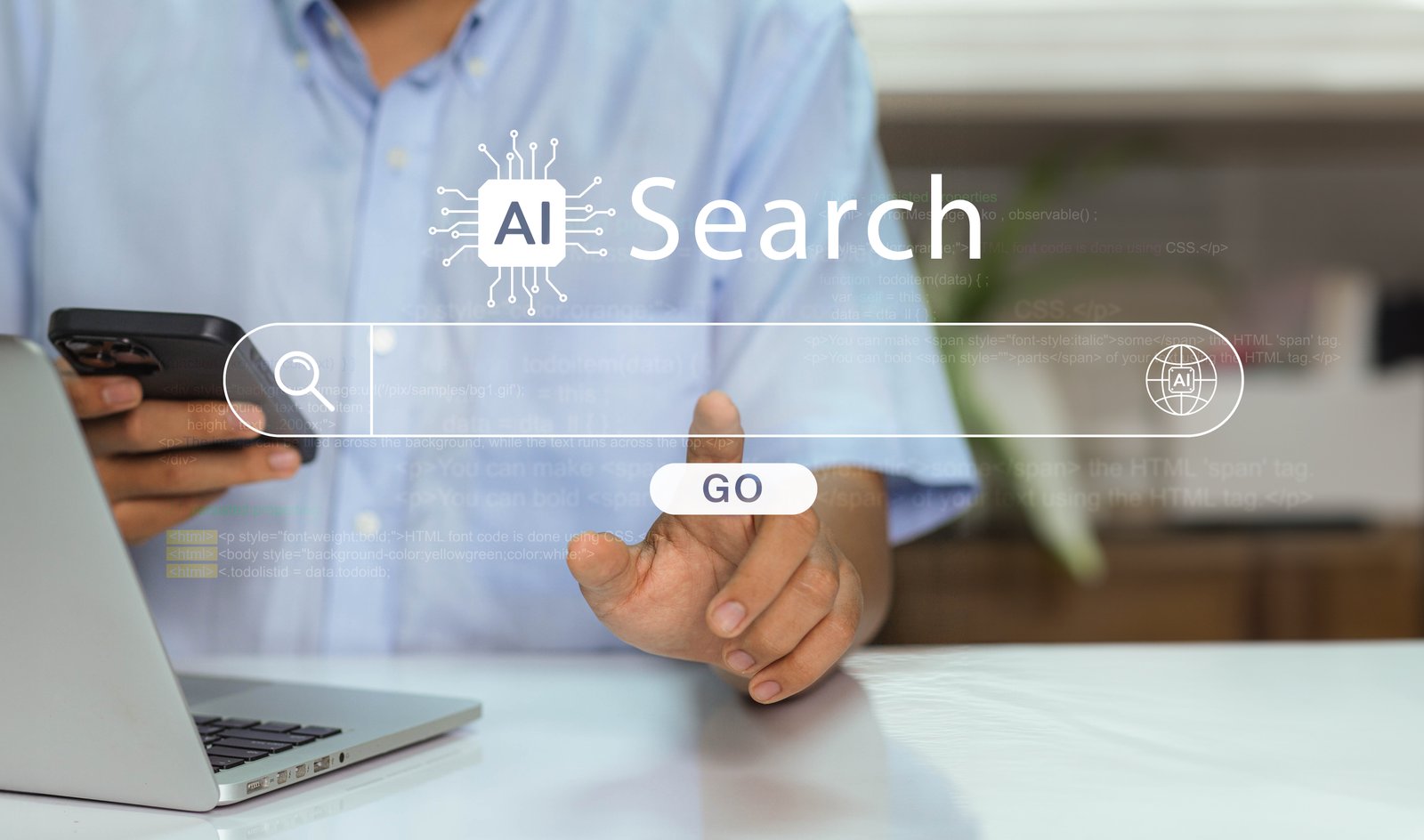
As Google continues to evolve its search technology, new data from BrightEdge reveals a trending insight: Google's AI Overviews now overlap with traditional organic search results by 54%. This means that just over half of the web pages cited by Google's AI-powered Overviews are the same as the ones ranking organically, a significant increase since the feature's launch. Understanding this overlap and its implications is important for SEO professionals and content creators aiming to thrive in the modern search landscape. 
So, in this piece of writing, let us delve into the implications of this overlap for SEO professionals and publishers. We will look at the underlying procedures and nuances that are specific to each vertical, as well as provide practical guidance to help you maximise your plans for 2026 and the coming years.


What Is Google AI Overviews, and Why Does It Matter?


Google's AI Overviews is a search optimisation powered by the FastSearch algorithm, which uses deep-learning models to provide summarised citations from relevant web pages. Unlike traditional organic search rankings that depend on classic ranking signals such as backlinks and page authority, FastSearch focuses on semantic matching and user behaviour signals captured from click and query data. This helps the AI to pick pages that best match the type of content users prefer to see for a given query.


The Importance of the 54% Overlap


BrightEdge's research shows that 54% of the citations in Google’s AI Overviews are also found in the organic search results. In contrast, 46% of AI Overview citations are unique and do not appear in organic rankings. This suggests that Google's AI is expanding search results by including additional sources it considers relevant based on user behaviour and content quality, widening the scope beyond regular SEO rankings.


How Overlap Changes Across Industries


The extent of overlap changes across different content types. Below are the differences according to the industries:

  • Healthcare: 75.3% overlap shows that most results come from a small group of authoritative sites.
  • Education: 72.6% of educational content from authoritative sources now appears regularly in search results.
  • Insurance: A strong 68.6% overlap, confirming users’ preference for trusted sources in this vertical
  • E-commerce: Only 22.9% overlap, indicating less alignment between AI Overviews and organic listings, possibly because purchase-ready users prefer direct product pages over AI summaries.
  • These differences highlight that in sectors like healthcare and education, Google’s AI mainly aligns with trusted organic results, whereas in transactional spaces like e-commerce sectors, AI Overviews focus more on a research function rather than purchase facilitation.

3 Steps for SEO and Publishers to Adapt to AI Search


​Staying ahead with this AI Search, both SEOs and publishers should implement a strategic three-step approach, which includes: 

  • Step 1: Understanding AI Overviews (AIO)
  • Step 2: Aligning Content With User Intent
  • Step 3: Continuous Monitoring Search Performance

Let us have an in-depth understanding of each step: 


Step 1: Understanding AI Overviews (AIO)


This step is to measure the percentage of your content that shows up in both AI Overviews and conventional organic search results. It helps to benchmark your performance against the industry average of 54%, providing clarity on your current standing in the AI-enhanced search landscape


Step 2: Aligning Content With User Intent


This key step requires tailoring your content and SEO strategies based on your specific overlap profile and the user's search intent.

  • High Overlap (>60%): For content with a strong presence in both Google’s AI Overviews and organic results, such as YMYL (Your Money or Your Life) topics, the focus should be on strengthening traditional SEO best practices. This ensures the continued visibility and authority.
  • Low Overlap (<30%): If your content has minimal overlap, like many e-commerce product pages, a bifurcated content (a two-part approach to target both AI Overviews and traditional search results) strategy is recommended. Develop distinct content for AIO-friendly informational questions, while separately optimising content for traditional organic search to capture direct purchase intent.
  • Growing Overlap (30-60%): For content showing an increasing overlap, a strong strategy is essential. This involves creating flexible, high-quality content that is semantically relevant for AI summarisation while also being optimised with traditional SEO signals to perform well in both aspects.

Step 3: Continuous Monitoring Search Performance


This final step emphasises the importance of ongoing attention. Regularly check the changes in your overlap percentage and observe industry trends, such as the overall growth in AIO-organic overlap. By staying informed about these shifts, SEOs and publishers can easily adapt to these strategies to maintain effectiveness in the dynamic AI-powered search environment.


Final Thoughts 


Google's AI Overviews have increased their industry-wide overlap by 22%, making them an increasingly important component of the search ecosystem. Understanding how AI interprets and surfaces content is the key focus for success in 2026 and beyond. Even though traditional SEO is still fundamental, publishers can guarantee visibility in both organic and AI-powered search results by aligning user intent and concentrating on quality.
To maximise content reach and engagement, this new environment encourages all digital marketers to closely monitor search trends and quickly adjust to Google's continuous innovations.
In order to support SEO strategies that are in line with the direction of search, this overview offers a new and practical viewpoint on Google AI Overviews. With Clicthrown’s strategic guidance, you can align with these changes and achieve long-term visibility.


FAQs on Google AI Overviews and SEO Overlap 2026


1.What is the current overlap between Google's AI Overviews (AIO) and traditional organic search results?
According to new research, there is a 54% overlap and a strong link between the two. This shows that even though AIO uses FastSearch for sophisticated semantic matching, it usually presents content that organic ranking signals already value.
2.How does Google's FastSearch algorithm, used in AI Overviews, influence website ranking?
Based on user behaviour data (such as clicks), FastSearch, which is driven by the RankEmbed deep-learning model, gives priority to speed and semantic relevance. It emphasises that quality and relevance in content creation are essential for AIO visibility and focuses on aligning content with user intent and expectations rather than traditional ranking signals.
3.Does the overlap percentage vary by industry, and if so, how?
Yes, the overlap varies significantly by industry. High-stakes "Your Money Or Your Life" (YMYL) content areas like healthcare and education show much higher overlap (e.g., 75.3% for healthcare), while e-commerce has a notably lower overlap (22.9%). This indicates AIO's suitability depends on the query's underlying user intent and vertical.
4.Do blogs created by AI get indexed by Google?
In general, blogs and other content types produced by AI are indexed by Google.  Google rewards high-quality content regardless of its production method, according to the Google Search Central document.  That means, as long as your AI-written content is well-written and meets Google standards, it will get indexed.

Read More

Google Redesigns How Search Ads Are Labeled

Have you heard about Google Ads new updates? As part of this, Google has recently redesigned how search ads are labeled. This update reflects Google’s ongoing effort to make advertising more transparent, user-friendly, and aligned with evolving search behaviour. Google wants to make it easier for visitors to discern between sponsored results and organic results by improving ad labels and visual clues. It also provides advertisers with a more transparent framework for how their ads show up on the search results page.

Now, let us take a deep dive into these Google Ads updates, explain what’s changed, and discover what they mean for both users and advertisers.


Understanding the New Sponsored Labels on Google Search


The Google Ads benefits​ in this redesign are that grouping all text ads under a single "Sponsored results" label, which is larger and remains visible as users scroll. Previously, individual ads had their own "Ad" labels. This new labeling system is designed to make the difference between ads and organic search results clearer for users. The update also includes a "Hide" option for sponsored results, giving users more control over their search experience. This detailed redesign is being rolled out globally.


How the Update Affects Google Ads and Advertisers


These Google search updates significantly reshape how ads appear and perform on Google Search. From enhanced transparency to AI-driven optimisation, advertisers must understand how these changes influence visibility, user behaviour, and campaign strategy. Below are the points that break down the key impacts of the Google Ads latest updates:


How Google’s Search Update Improves Transparency


The new Google sponsored links label is intended to provide greater transparency, helping users more easily navigate the top of results pages and distinguish commercial content. Google's goal is to uphold industry-leading standards by making it clear which results are sponsored.


Impact of the New Sponsored Results on Ad Visibility & CTR


While the new design aims for clarity, it could also influence user behaviour. The larger, persistent "Sponsored results" label may draw more attention to paid listings, potentially impacting clickAds for click-through rates. However, with the addition of a "Hide" button, users have the option to remove sponsored results, which could affect overall ad visibility.


Updating Your Google Ads Strategy for the Latest Changes


Advertisers need to adjust their strategies to align with these changes. Google Ads continues to emphasise precision targeting and AI-powered automation to maximise return on investment (ROI). Leveraging AI-powered ad campaigns and automation in bidding strategies will be crucial in 2025. For instance, Performance Max campaigns utilise AI to deliver ads across various Google networks, including Search, Display, YouTube, Gmail, Maps, and Discover, optimising in real-time to achieve specific goals.


The Evolving Role of AI in Google Ads


AI continues to transform Google Ads, making it more automated and data-driven. In 2025, AI enhancements will further streamline how products are listed, displayed, and optimised for sales in Google Shopping ads. Google's AI tools require proper guidance from advertisers to fit business objectives.

Other Key Google Search Updates

According to Google Search Central, Google has made several other noteworthy changes in addition to ad labelling.  The second official core update of the year, the June 2025 Core Update, was released between June 30 and July 17.  Additionally, Google introduced a nearly infinite scroll in mid-September 2025 after disabling the previous pagination of search results.  In its search rankings for 2025, Google is also giving the Google Ads blog that is human-written, reliable content, precedence over content produced by artificial intelligence.


How Do Google Sponsored Ads Work?


Are you curious about how Google sponsored search results in the ads work? Here are the key points that explain the benefits of Google Ads this process:

  • Advertisers place bids on keywords, audiences, or placements using Google Ads’ bidding system.
  • When a user performs a search, an auction is triggered if ads target the related keywords.
  • In many cases, no ads appear, and only the most relevant ads are selected for display.
  • Google Ads provides a self-serve tool that helps advertisers create, manage, and monitor their campaigns.
  • By appearing in front of people actively searching for specific products or services, Google Ads helps businesses increase sales, generate leads, and boost website traffic.


Summing Up


With the Google Ads new updates, the redesigned “Sponsored results” label marks a major shift in how ads are displayed, understood, and engaged with on Search. Google wants to make the search experience more transparent and user-friendly by implementing user-controlled ad visibility, a persistent "Sponsored results" header, and clearer labelling. For advertisers and businesses, these changes highlight the need for smarter strategies, especially those that leverage AI-driven optimisation, Performance Max campaigns, and precise audience targeting. 
Staying aligned with these updates will ensure better visibility, stronger CTRs (Click Through Rates), and higher ROI (Return on Investment) across Google’s ad ecosystem. With Clickthrown, remain competitive in 2026 and beyond and maintain your Google Ads strategy as Google continues to change the way sponsored search results operate.


FAQs About Google’s New Sponsored Ads Update


1. What changed in Google’s new ad labelling update? 
Google replaced individual “Ad” labels with a single, larger “Sponsored results” label that stays fixed as users scroll. This increases transparency and aids in separating advertisements from organic results.


2. Will CTR be impacted by the new sponsored label?
Yes, the persistent label may impact click behaviour. Some users may skip ads more often, while others may find ads clearer and more trustworthy.


3. Can users hide Google sponsored ads now? 
Yes. Users can now remove sponsored results from their view using a new "Hide" button, which could impact the ad visibility.


4. How should advertisers adjust their strategy? 
Advertisers adjust their ad strategies through implementing AI-driven campaigns, enhancing ad quality, fine-tuning keyword targeting, and utilising Performance Max for multi-network optimisation.


5. How do Google sponsored ads work? 
Google Ads runs an Ad auction every time a user searches. Ads are shown based on bids, keyword relevance, and ad quality. Only the most relevant ads will appear.
 

Read More

Let's collaborate and create something extraordinary!

contact-image

Our FAQ's

Some awesome words from awesome people

What services does Clickthrown Digital Pvt Ltd offer?

Clickthrown provides advanced digital marketing services, including social media management, SEO optimization, pay-per-click (PPC) marketing, content creation, and innovative digital campaigns such as augmented reality and interactive experiences. Their services are data-driven and tailored to each business’s unique needs.

Where is Clickthrown Digital Pvt Ltd located?

They are located in Kochi, Kerala, specifically at Fourth Floor, Manghat Arcade, Kaloor Kadavanthra Road, Ernakulam, Kerala, India.


What makes Clickthrown different from other Performance Marketing Agencies in Kochi?

Clickthrown emphasizes creating captivating visuals combined with strategic digital marketing to elevate brands. They focus on innovative solutions that exceed expectations and use data analytics to optimize marketing strategies. Their team includes digital marketing strategists, creatives, and data analysts passionate about unlocking business growth potential.

Is Clickthrown a registered company?

Yes, Clickthrown Digital Private Limited is a registered private company in Ernakulam.

How does Clickthrown ensure campaign effectiveness?
At Clickthrown, we use data-driven analytics and provide transparent reporting and insights to help clients make informed decisions and measure campaign impact. This approach helps optimize marketing efforts continuously.

Clickthrown Digital Private Limited is a leading performance marketing agency in Kochi, Kerala, India. Our passionate team of digital marketing strategists, writers, creatives, and data analysts is dedicated to helping businesses unlock their full growth potential. We offer a comprehensive suite of services, including Strategic Digital Marketing Planning & Execution, Creative Content Marketing, Social Media Management, Search Engine Optimization (SEO), Pay-Per-Click (PPC) Advertising, Website Design & Development, and Data Analytics & Performance Reporting. 


We have served clients in various sectors such as Edtech, Healthcare, and IT in both India and Dubai. As the best Digital Marketing Agency in Kochi, we believe in building long-term partnerships with our clients by providing personalized solutions that drive real results. Our team of digital marketing experts has years of experience leveraging the power of captivating visuals and strategic digital marketing to elevate brands. Our creative professionals and digital experts work collaboratively to deliver innovative solutions that not only meet but exceed expectations. 


At Clickthrown, we develop marketing strategies that help businesses thrive in the social media domain and boost their overall productivity in lead generation, increase virtual traffic, and practice social niche domination. With our dedicated team personnel, tending to different departments of digital marketing, we take care of each of your business needs in detail. Our crisp creative ideas and concepts are sure to boost your business sales and revenue and help you succeed. With a focus on creating impactful and engaging digital experiences, Clickthrown is all set to help your brand stand out and achieve lasting success.

Awareness Consideration Sales Awareness Consideration Sales Awareness Consideration Sales